Anvil Rentals Grew on Word of Mouth. Now It Has a Web Presence to Match.
Anvil Rentals built a business on referrals. As it grew, it needed a way to show up for prospects who had never heard the name on a jobsite. Here is what Cellara built, and why it can actually be found.
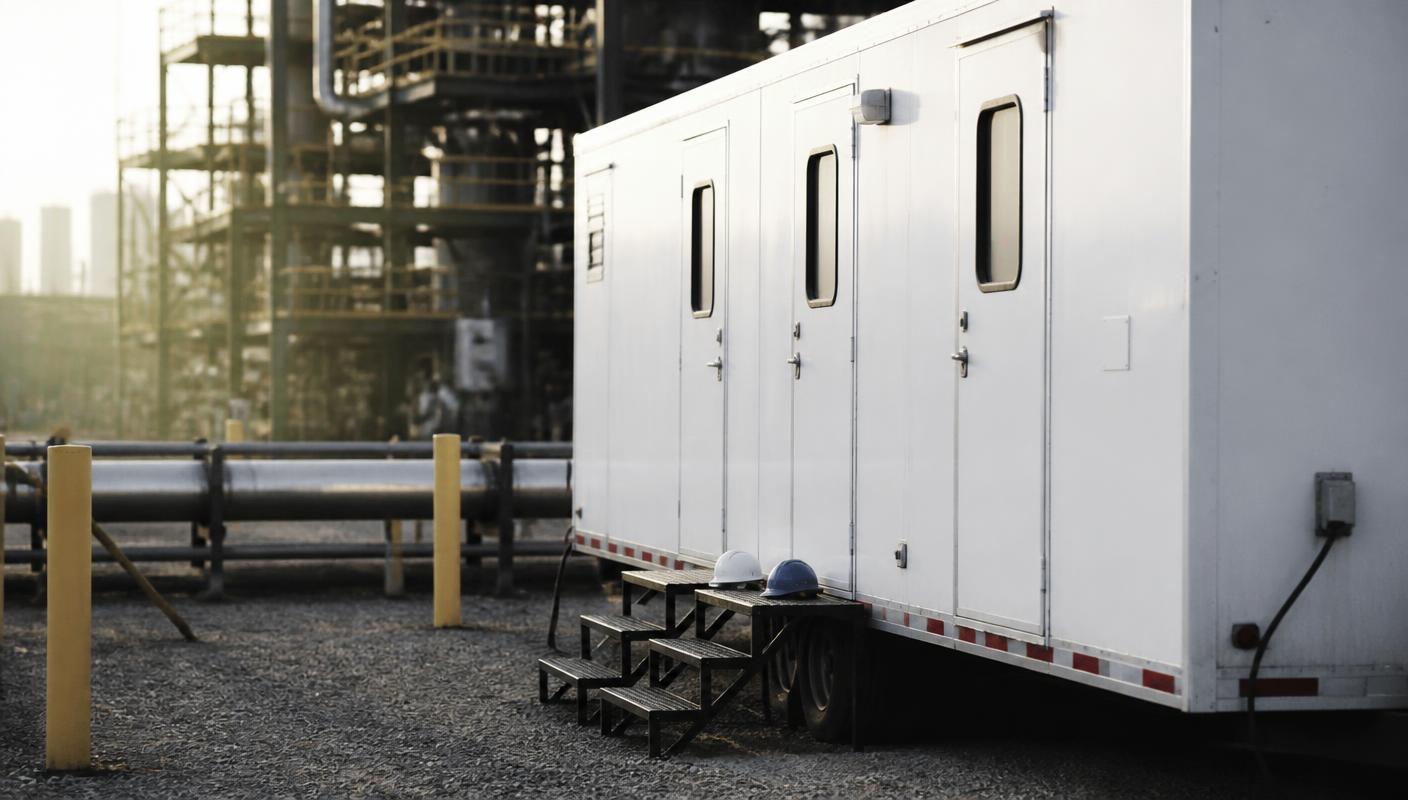
For years, Anvil Rentals didn't need a website. The phone rang because the work did the talking. A crew that spent a hot shift inside one of their climate-controlled trailers would mention it to the next crew, and that was the whole sales department. One good rental led to the next one.
That's a great way to start a company. It's a rough way to grow one.
As Anvil took on more crews and bigger jobs, the math started working against them. More and more of the people who needed exactly what Anvil offered had never heard the name from a buddy on site. A plant coordinator lining up units for a turnaround. A contractor Anvil wanted to pitch directly instead of waiting around for a referral. Someone who did get the referral but wanted to size the company up before calling. All of them start in the same spot now, which is a search bar. And when they went looking for Anvil, there wasn't much waiting for them.
That's the gap Anvil hired us to close.
What Anvil actually does
Anvil rents dual-climate trailers and cube units to crews working in and around industrial plants. The units cool in the summer and heat in the winter, so a shutdown crew has somewhere real to take a break, eat lunch, hold a quick meeting, or just get out of the weather for ten minutes. There are three models: a standard 16-foot trailer, a lunchroom setup with microwaves and seating, and a compact cube unit that can be lifted onto an elevated structure when a normal trailer won't fit.
Their buyers are practical people making fast calls against real deadlines. They don't want a brochure. They want to know what's available, how many people it holds, what it needs for power, and how soon it can be on their site.
What we built
We built Anvil a web presence that answers those questions before anyone has to ask.
The site puts all three rental models right up front, each with its real specs, the jobs it fits, and a direct way to ask about it. In this line of work, that kind of plainness is the pitch. A contractor trusts a company that tells them the weight, the capacity, and the power requirements out in the open a lot more than one that makes them call just to learn the basics.
Everything on the page steers toward a single action, which is a phone call. Industrial rentals don't close in a shopping cart. They close when somebody talks through dates, placement, and site conditions with the Anvil team. So the site was never meant to replace that call. It's there to make sure the person calling already knows what they want and already knows they're a fit. We even spelled out what to have handy before dialing, so the first conversation actually goes somewhere.
The part you can't see in a screenshot
This is the piece most people never check, and it's the one we care about most.
A site can look completely finished and still be invisible to the tools people now use to find a vendor. Plenty of websites, especially the ones put together fast, only build their content inside the visitor's browser. A person looking at the page sees everything. Most of the crawlers behind search results and AI assistants see nothing. As of 2026, the engines running tools like ChatGPT and Perplexity don't execute the code that draws those pages. They read the plain version the server hands over, and if that version is blank, the site may as well not exist to them.
We built Anvil's site so the full content sits in that plain version from the first byte. Every headline, every spec, every model. So when someone searches, or asks an AI which company rents climate-controlled trailers for industrial jobs, Anvil's site can actually be read and pointed to. For a business that runs on inbound calls, being findable where people actually search is a big part of why the site is worth having at all.
Where this goes next
We'll be straight about where things stand. Right now we've built Anvil's web presence, and that's it. We haven't yet added the pieces that keep working after hours: catching missed calls, following up on their own, pulling in reviews, climbing in search over time. Those come next, and once they've had a chance to produce something worth reporting, we'll report the real numbers.
But all of that sits on top of a foundation. If the foundation is vague, slow, or invisible, nothing you stack on it holds. Anvil has a foundation now. It's clear, it moves people toward a call, and it can be found. For a company that spent years growing on nothing but word of mouth, that's the piece that lets the next stretch of growth come from something steadier than luck and good timing.
Outgrew word of mouth too?
Cellara Growth Co builds websites for service businesses and wires them into the answering, follow-up, reputation, and search systems that turn a site into steady work. If your business outgrew word of mouth, book a strategy call and we will map what your foundation is missing.
Frequently Asked Questions
What does Anvil Rentals do?
Anvil Rentals provides dual-climate break trailers and cube units for crews working in and around industrial plants. The units cool in summer, heat in winter, and come in three models: a standard 16-foot trailer, a lunchroom configuration, and a compact cube unit that can be lifted onto elevated structures.
Why does server-rendered content matter for a rental company's website?
The crawlers behind search results and AI assistants read the plain HTML a server hands over. If a site only builds its content in the visitor's browser, those tools see a blank page. Rendering the full content server-side means the site can be read, indexed, and recommended when someone searches or asks an AI for a vendor.
Why did the site focus on driving phone calls instead of online booking?
Industrial rentals close when someone talks through dates, placement, and site conditions with the rental team, not in a shopping cart. The site's job is to make sure the person calling already knows the specs, knows they are a fit, and has the right details ready so the first conversation goes somewhere.
Sources